Beyond Copy-Paste: How Well Do Subject-Driven Video Models Understand Their Subjects?
NeurIPS 2026
Research Engineer · RL post-training infrastructure for multimodal and agentic models
Ten years building ML systems end-to-end — from a production video understanding stack at Google DeepMind to RL post-training pipelines at Amazon and Adobe. Most recently I built the full GSPO+DAPO training stack (verl on FSDP, vLLM rollouts, rule-based and LLM-judge verifiers) that took Qwen3-VL-8B-Thinking from 8.0 to 26.3 on a held-out olympiad benchmark in ~360 H200-GPU-hours across three runs.
SFT, DPO, RLHF, GRPO, GSPO, DAPO. Physics-R1 settled on GSPO+DAPO at 8B; the multi-turn follow-up runs decoupled advantages over a two-turn episode.
verl 0.6.1 on FSDP; vLLM for rollout serving; PyTorch, DeepSpeed; TensorFlow (2017–2021). Prior production work at 10B+ parameters.
Rule-based verifiers, LLM judges, unit-consistency checks, component-level reward logging — each term logged separately so it's visible which one is actually driving the gradient.
Multi-stage audit and contamination screening — lexical, embedding, then judge — gating every training corpus; held-out benchmark construction.
Own end-to-end post-training for multi-reference image generation on enterprise foundation models: data curation and SFT pipeline to date, now extending to RLVR/RLAIF. Sole owner of post-training for multi-reference product-detail-page image generation from tech packs, for an enterprise customer.
Built Amazon's large-scale multimodal video search stack; applied RL post-training that reduced hallucination by 28%. Led the GenAI Live Action Studio video-generation infrastructure.
Built and maintained a video object detection training and inference system in TensorFlow for the research team, owning training and serving (through MediaPipe). This infrastructure underpinned AI Choreographer (ICCV 2021, with the public AIST++ dataset) and Attention Bottlenecks for Multimodal Fusion (NeurIPS 2021).
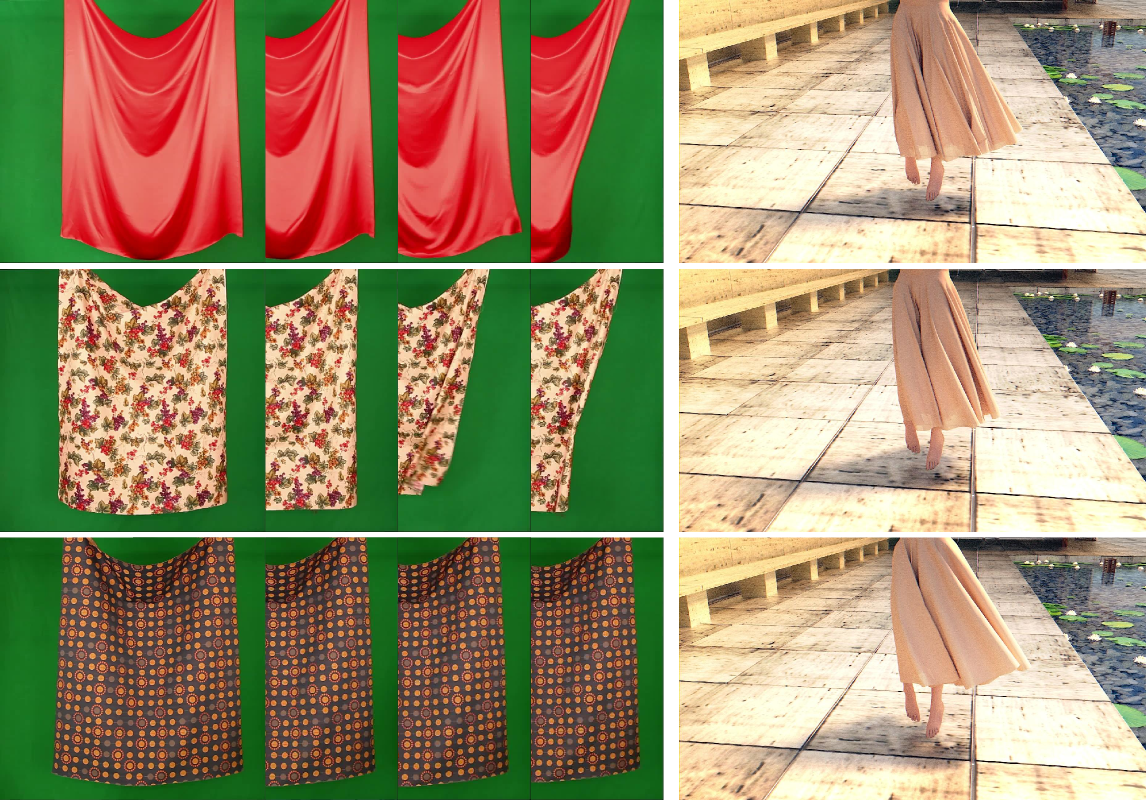
Learning physical parameters from video, advised by Prof. Ming C. Lin.
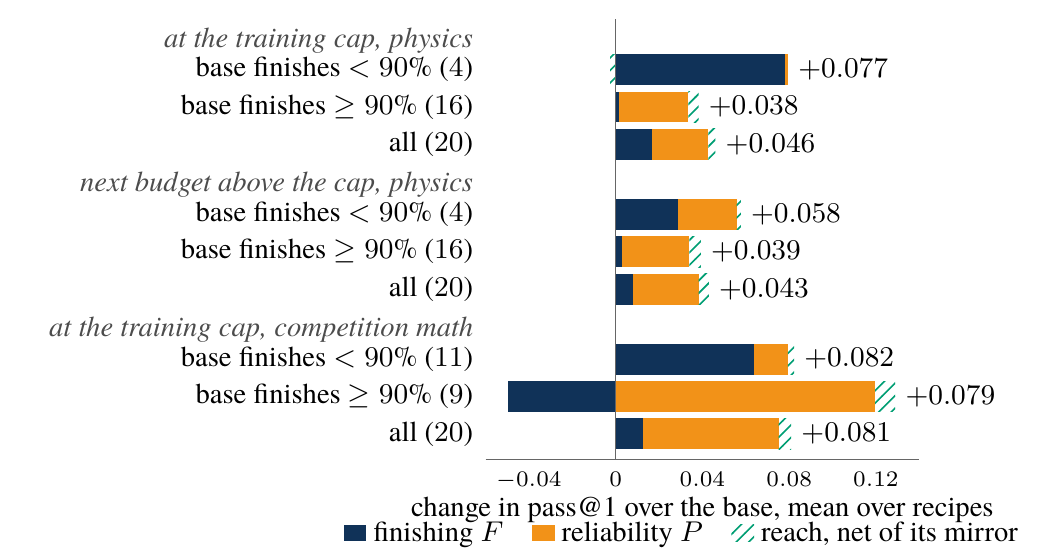
Read 20 released outcome-RL reasoning models (1.5B to 32B, seven bases) against the thinking models they started from, at fixed token budgets, and split each change in pass@1 exactly into finishing, reliability and reach. Where the base often runs out of budget, 82% of the gain is finishing; where it has enough tokens, the gain is reliability; reach adds at most 2.1 points on any of four physics and math sets. The release rebuilds every table in the paper from row-level data with the paper's own scripts.
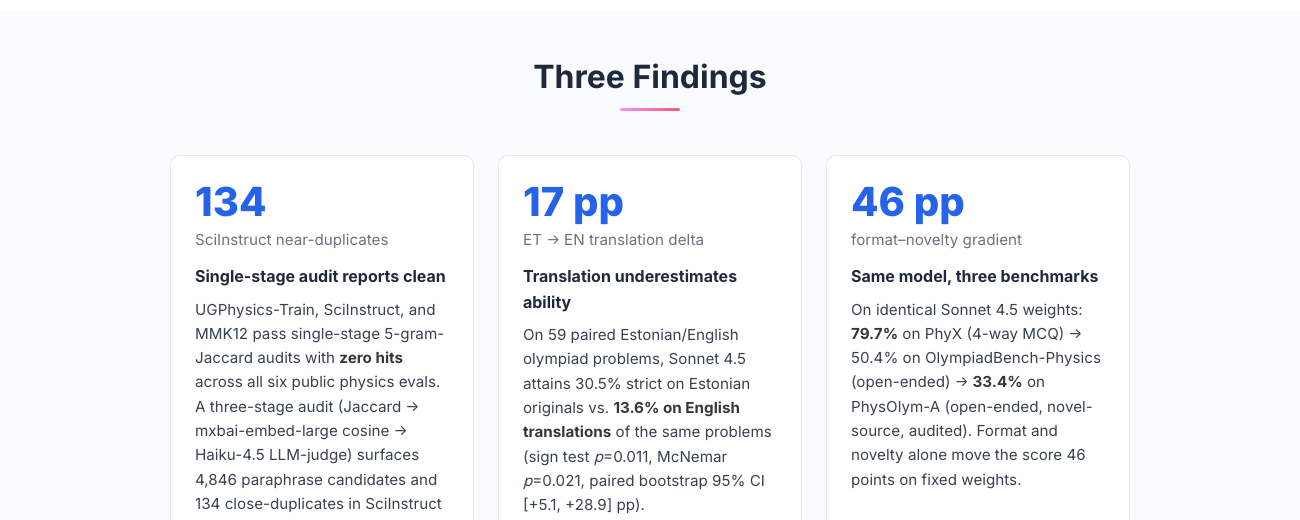
Built the end-to-end RL post-training pipeline for visual reasoning on olympiad problems: a three-stage data audit pipeline that screened 14,294 candidate records for contamination and produced a 6,432-record training corpus (PhysCorp-A) and a 500-problem held-out benchmark (PhysOlym-A); a reward system combining rule-based verifiers, LLM judges, and unit-consistency checks with component-level logging; and a GSPO+DAPO training recipe on verl/FSDP with vLLM rollouts. Three training runs, ~360 H200-GPU-hours, +18.3 on PhysOlym-A and +15.7 on PhysReason at 8B.
Metrics, test sets and row-level data for What Outcome RL Buys: the exact finishing / reliability / reach split with its bootstraps, a frozen answer matcher with an audited judge protocol, four physics and math test sets, and tests that rebuild the paper's tables from the shipped rows with the paper's own scripts.
6,432-record audited training corpus for visual physics reasoning, cut from a 14,294-record pool by a three-stage contamination audit, with full provenance and license audit.
500-question held-out olympiad benchmark for evaluating visual physics reasoning in VLMs, 99.8% novel-source.
Loaders and tooling for the AIST++ 3D dance dataset (from AI Choreographer, ICCV 2021).
Seven specialist agents orchestrated over LangGraph across a staged research pipeline, dispatched in natural language rather than through a fixed DAG. Agents run as Claude CLI subprocesses with MCP tool access, share state through Prisma/SQLite, hold multi-round discussions logged per turn, and sync progress to Notion.
Research outputs from the systems above.
NeurIPS 2026
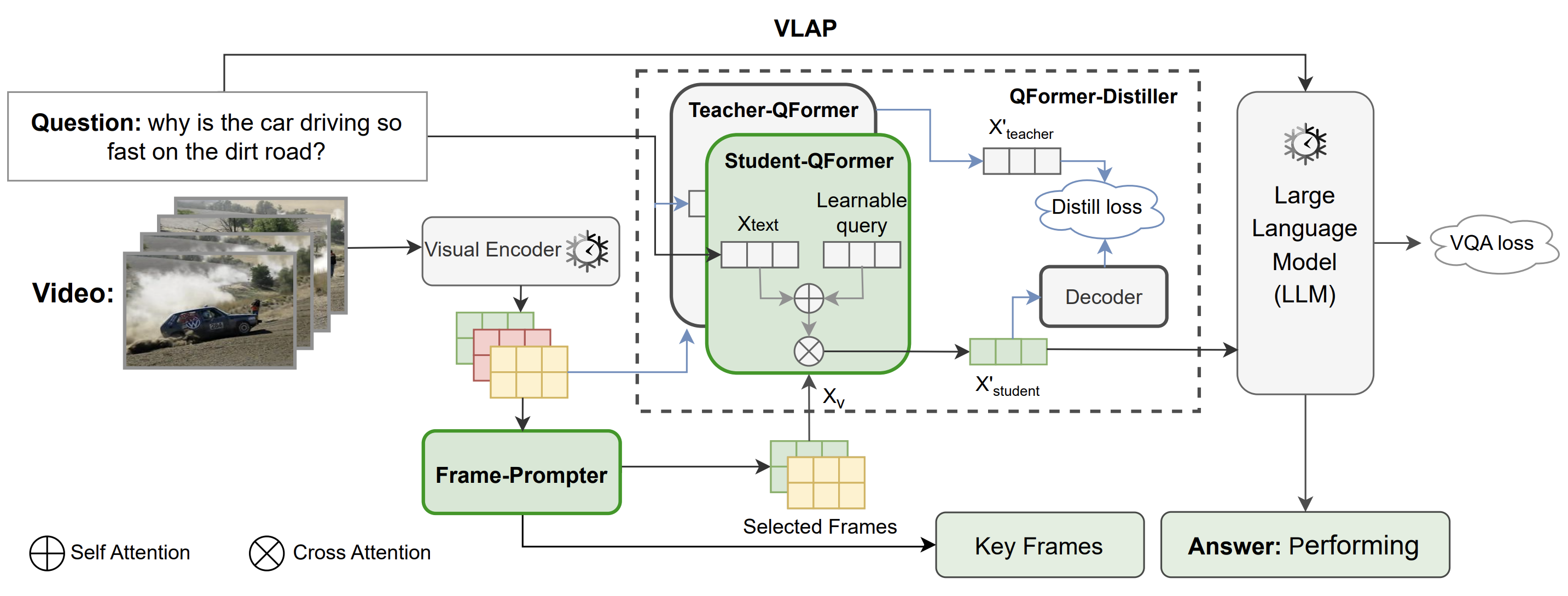
ECCV 2024
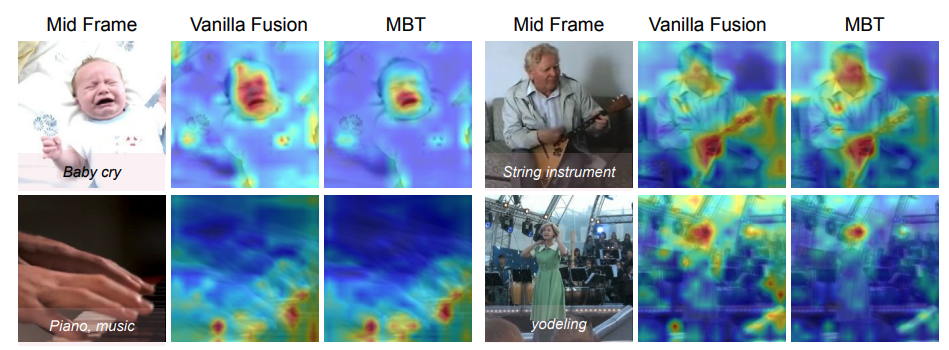
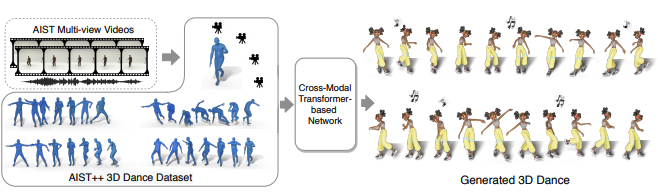
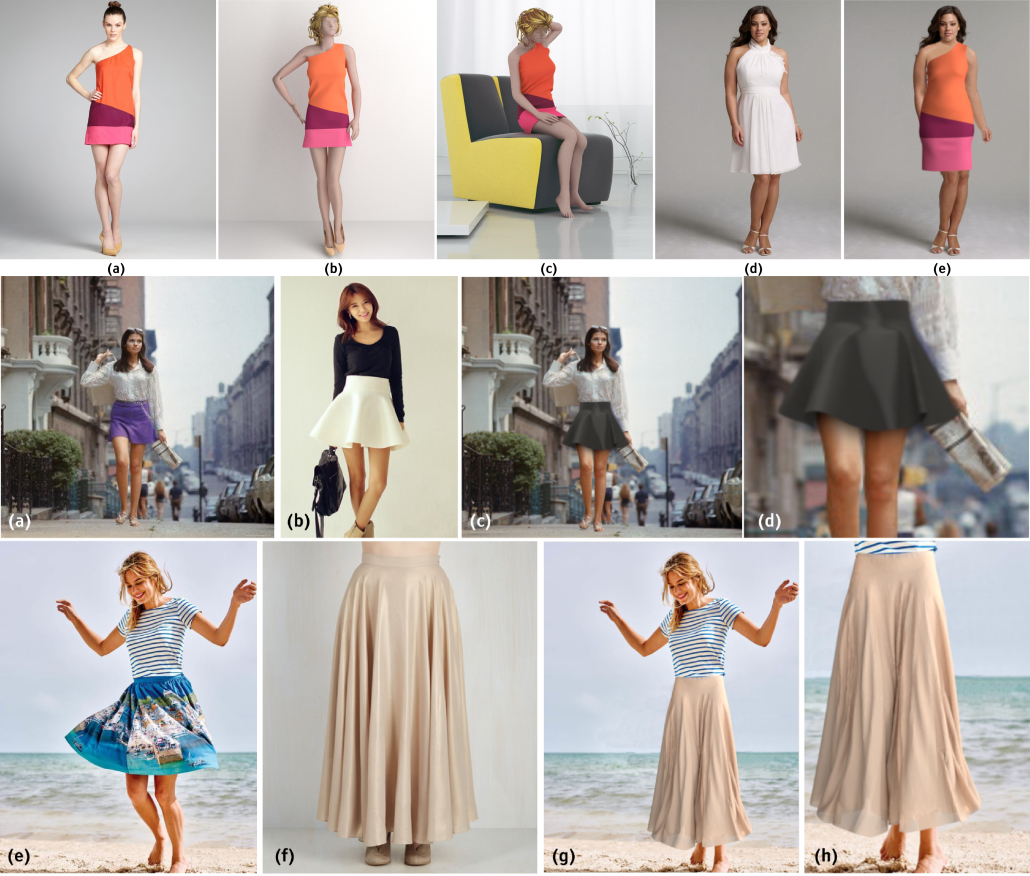
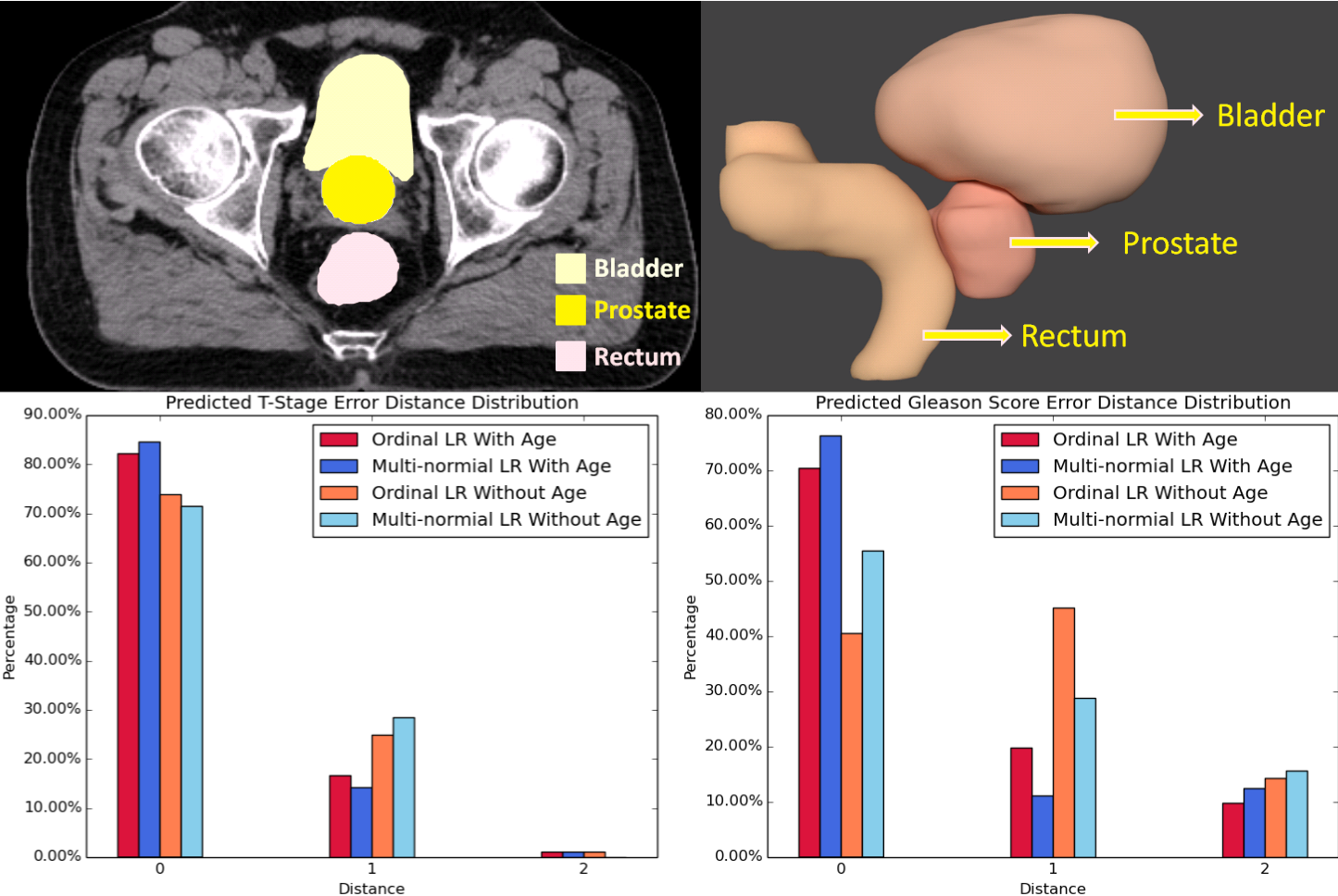
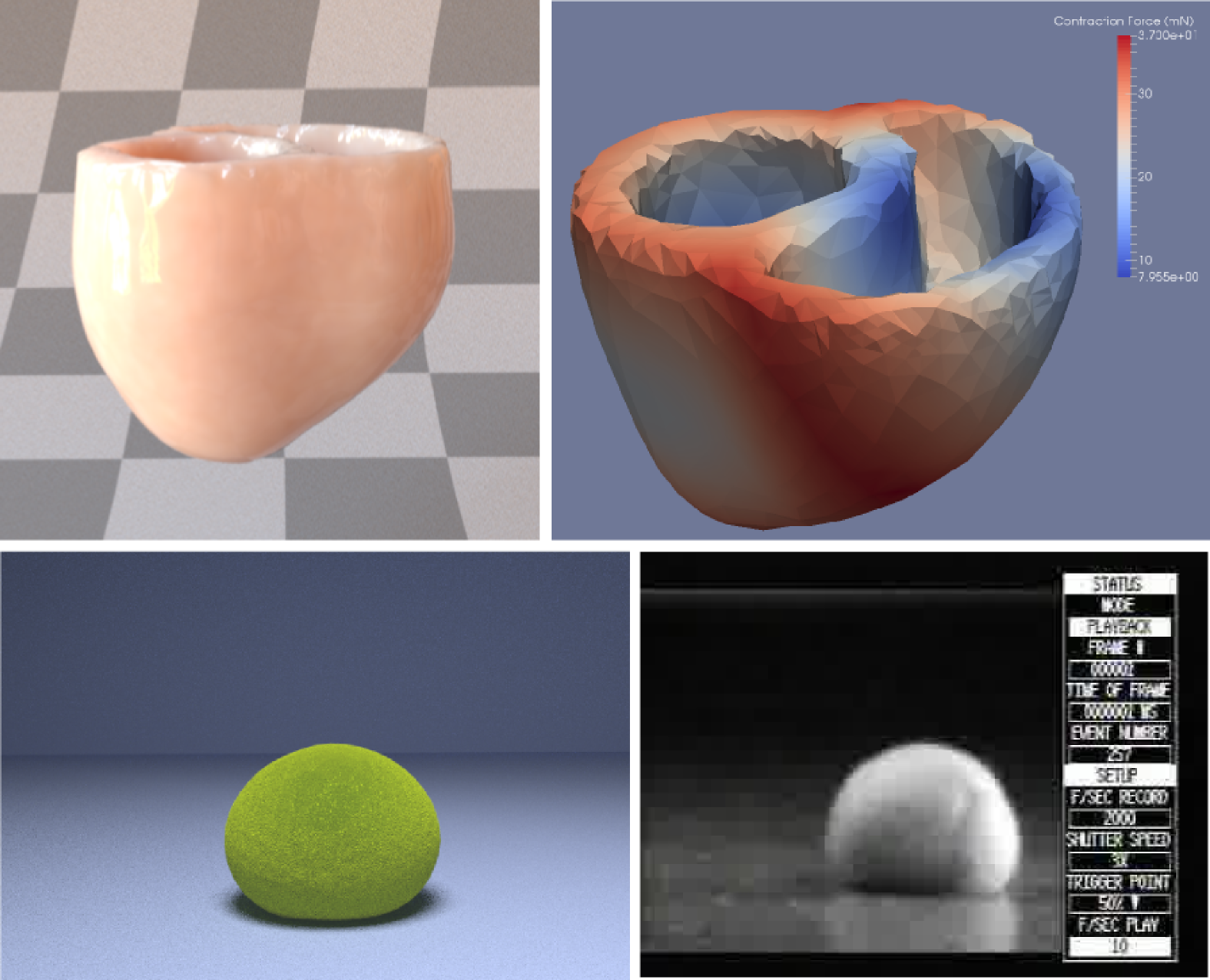
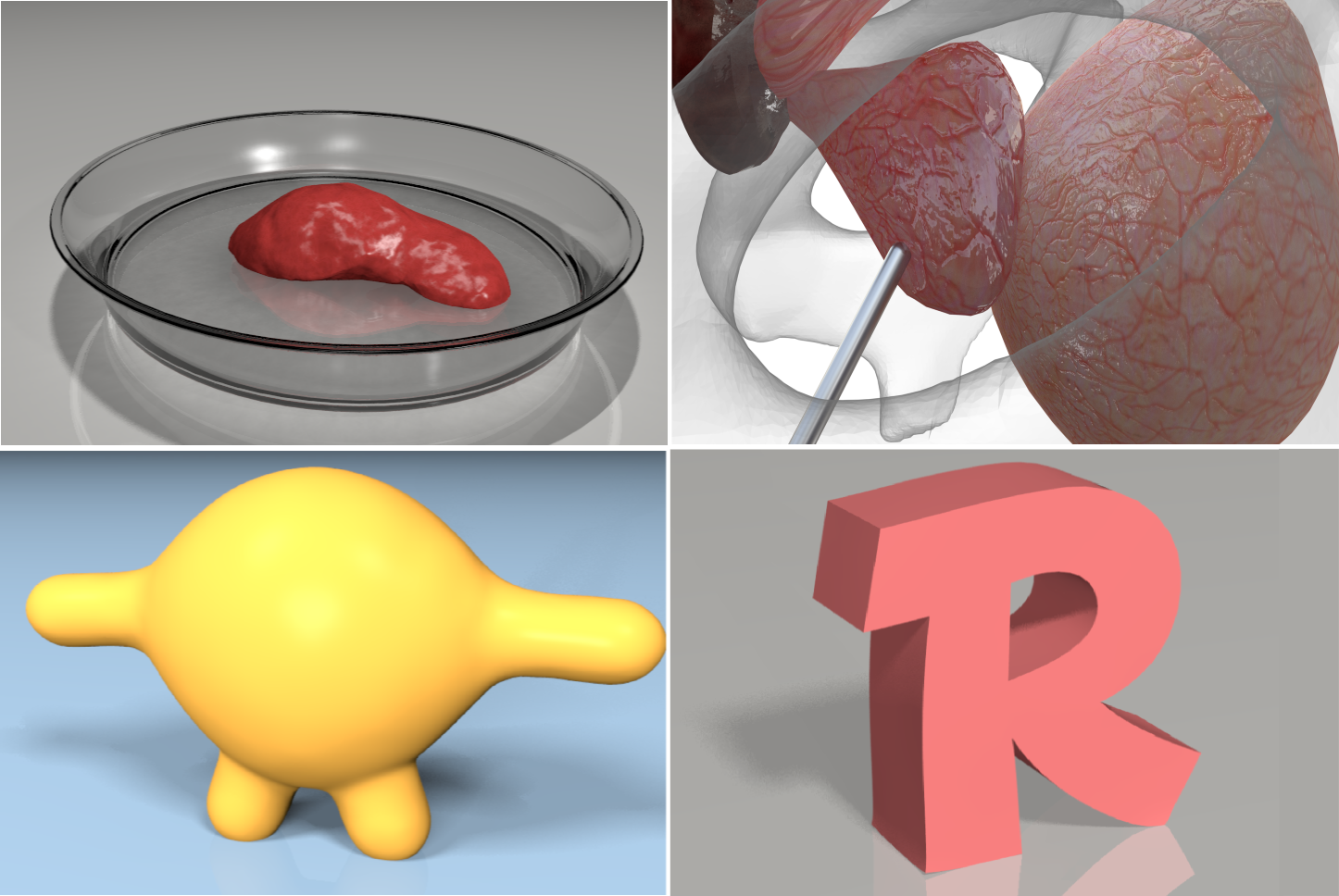
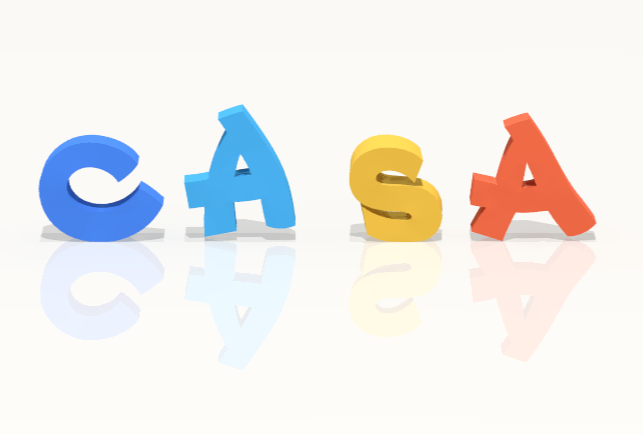
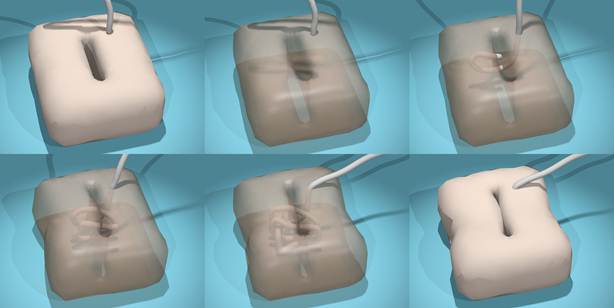
Earlier work, 2012–2021 — physical parameter estimation from observation. Cloth and tissue elasticity recovered from video and single images (ICCV 2017, TOG 2018, TVCG 2016, ICRA 2016, MICCAI 2016). The same question I work on now, before it was tractable in a language model: how does a model learn physics it was never told?

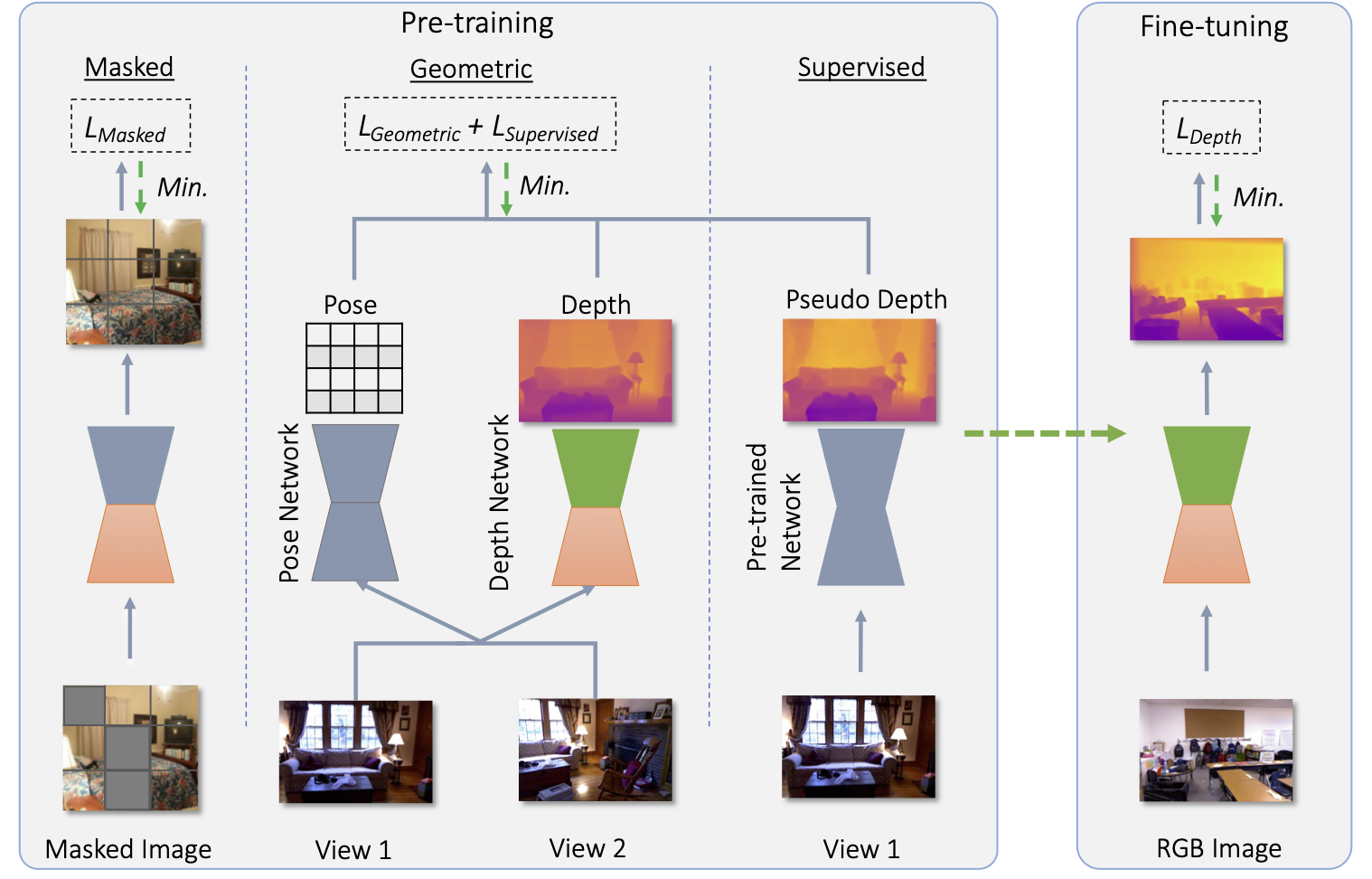
NeurIPS 2023 Workshop SSLTheoryPractice
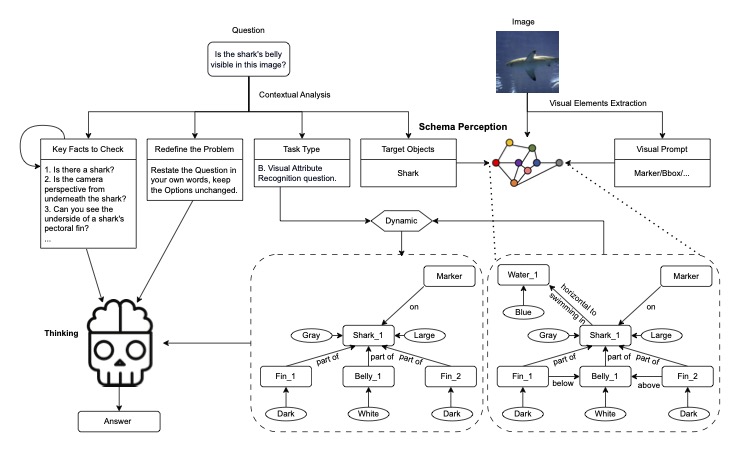
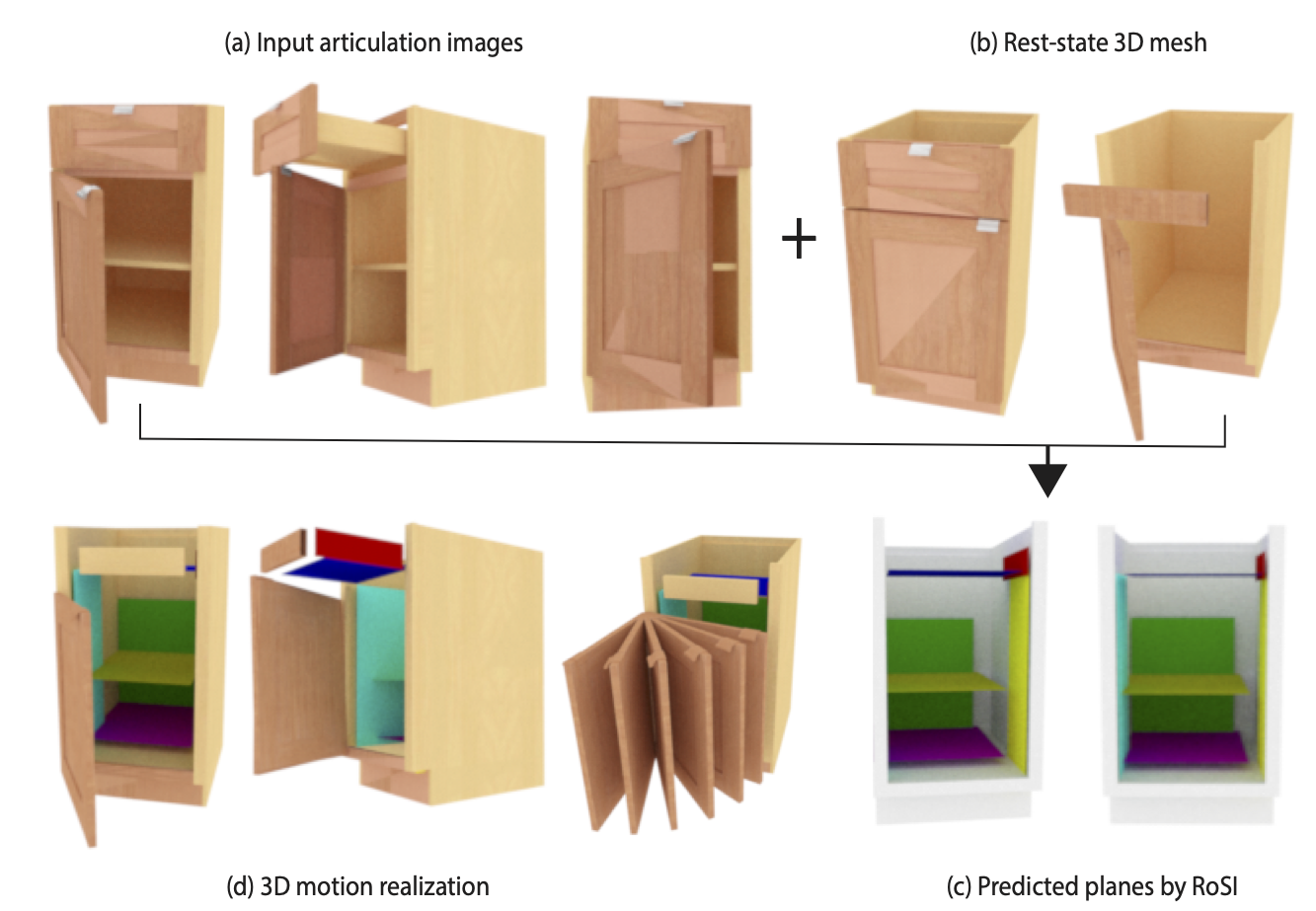
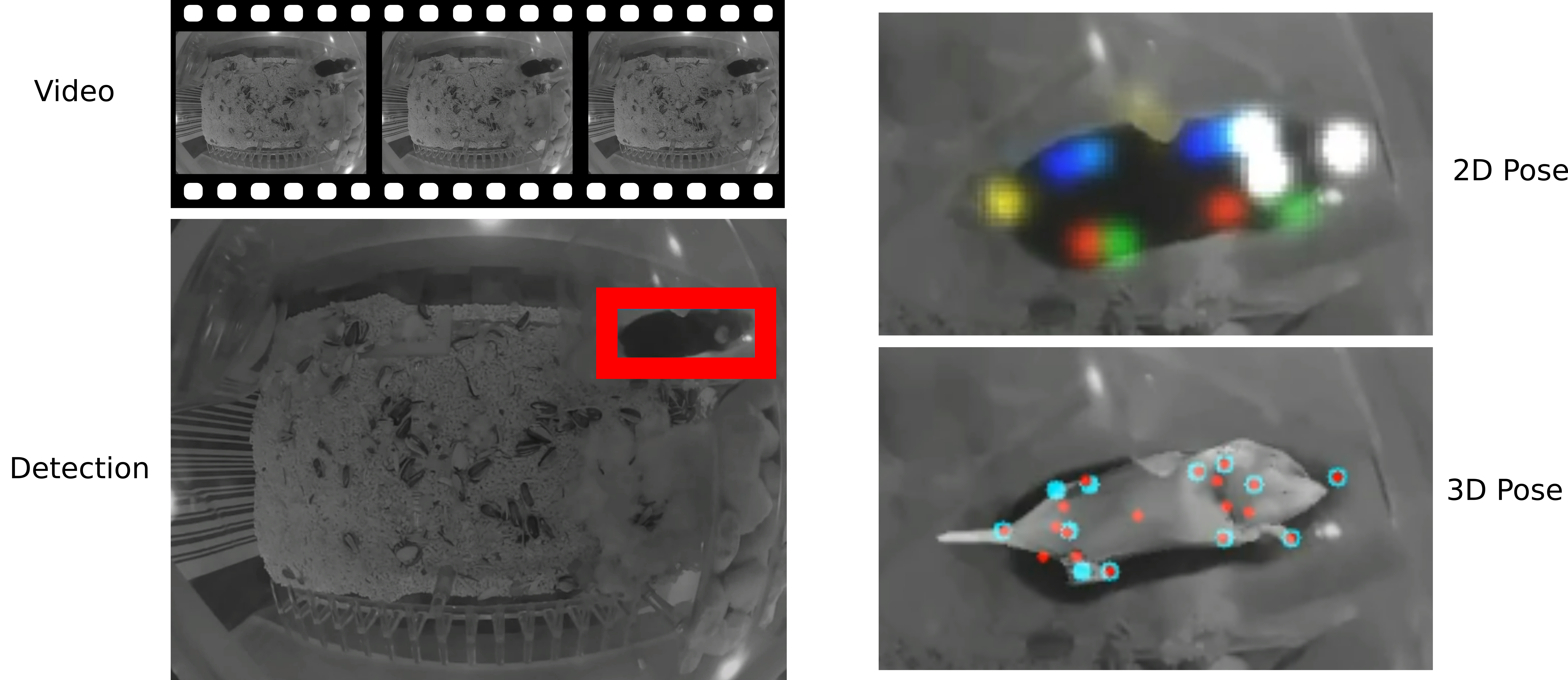
CVPR 2021 (CV4Animal Workshop)
CARS 2012